
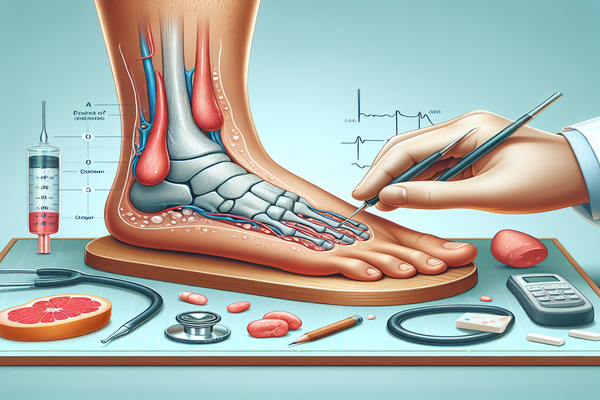
Early Signs of Foot Trouble in Diabetes You Should Never Ignore
Introduction
Diabetes can significantly impact various aspects of health, and one area often overlooked is foot health. At Premier Podiatry in Bloomington and Pontiac, Illinois, we understand that early intervention is crucial in managing diabetes-related foot conditions. Recognizing the early signs of foot trouble can prevent serious complications, including infections and amputations.
What Causes Foot Problems in Diabetes?
Diabetes can lead to various foot problems primarily due to two main factors: neuropathy and peripheral vascular disease. Neuropathy causes nerve damage, leading to decreased sensation in the feet, while poor circulation affects blood flow, hindering the healing process.
- Neuropathy: Symptoms may include numbness, tingling, or a burning sensation.
- Poor circulation: This may result in cold feet, color changes, and ulcers that are slow to heal.
Early Signs of Foot Trouble in Diabetes You Should Never Ignore
1. Numbness or Tingling in the Feet
Neuropathy can cause a loss of sensation that makes it difficult for individuals to detect injuries or pressure points. If you experience persistent numbness or tingling, it's essential to consult with your podiatrist.
2. Unexplained Foot Pain
While occasional foot discomfort is common, persistent pain could indicate a more serious condition such as neuropathy or gout. Pain may present as a sharp, burning sensation or a dull ache.
3. Changes in Skin Color or Temperature
Foot skin can change color due to circulation issues. If your feet appear blue, pale, or unusually red, this may indicate vascular problems. Additionally, cold feet may signify insufficient blood flow.
4. Development of Calluses or Corns
Individuals with diabetes may develop calluses or corns from abnormal foot mechanics. While some calluses are normal, thickened areas of skin can lead to ulcers and require professional treatment.
5. Foot Ulcers or Wounds
Open sores or ulcers that do not heal after a few days should receive immediate attention. These wounds can become infected and lead to serious complications if left untreated. Regularly inspect your feet for any cuts, blisters, or sores.
How Can I Treat and Manage Foot Problems?
Managing foot issues involves a combination of self-care strategies and professional treatment:
- Regular Foot Exams: Schedule routine foot examinations with a podiatrist to catch any potential issues early.
- Proper Footwear: Wear shoes that fit well and provide adequate support to reduce pressure points.
- Blood Sugar Control: Keeping blood glucose levels within a target range can help prevent complications.
- Moisturize: Keep your feet moisturized to prevent dry, cracked skin, but avoid applying lotion between the toes.
- Foot Hygiene: Wash your feet daily and dry them properly, paying attention to the areas between the toes.
When Should I See a Podiatrist?
If you notice any of the early signs mentioned above, it is crucial to seek professional help promptly. At Premier Podiatry, we specialize in diagnosing and treating diabetic foot conditions, employing advanced methods to ensure optimal foot health.
FAQ
1. Can diabetes cause foot infections?
Yes, diabetes can lead to infections due to reduced blood flow and nerve damage, which can prevent healing and increase the risk of ulcer formation.
2. How often should I have my feet checked if I have diabetes?
It’s advisable to have your feet examined by a podiatrist at least once a year, but more frequent check-ups may be necessary if you experience any symptoms.
3. What should I do if I find a sore on my foot?
Do not ignore it. Clean the area and cover it with a sterile bandage, and schedule an appointment with your podiatrist as soon as possible.
4. Can I treat foot problems at home?
While some minor issues can be managed at home, professional evaluation and treatment are essential for diabetic foot complications to prevent severe consequences.
5. Are there specific shoes recommended for diabetics?
Diabetic shoes should be well-fitted, cushioned, and breathable, with a wide toe box to prevent pressure points. Custom orthotics may also be beneficial.
Conclusion
Recognizing and addressing the early signs of foot trouble is vital for individuals with diabetes. Regular monitoring and professional guidance can prevent serious complications and maintain foot health. If you're experiencing any concerning symptoms or have questions about your foot health, don't hesitate to contact Premier Podiatry in Bloomington and Pontiac, Illinois. Our dedicated team is here to provide the care you need. Book your appointment today!