
Tips to Help Slow-Healing Foot Wounds Heal Faster
Understanding Slow-Healing Foot Wounds
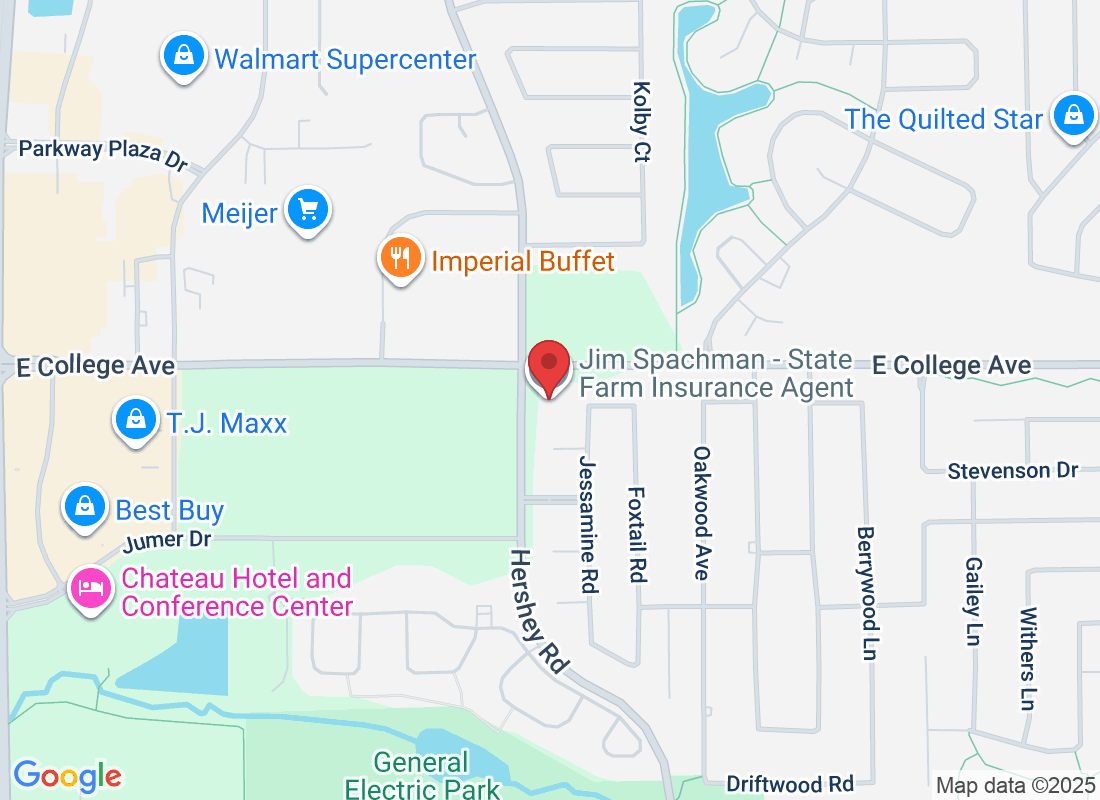
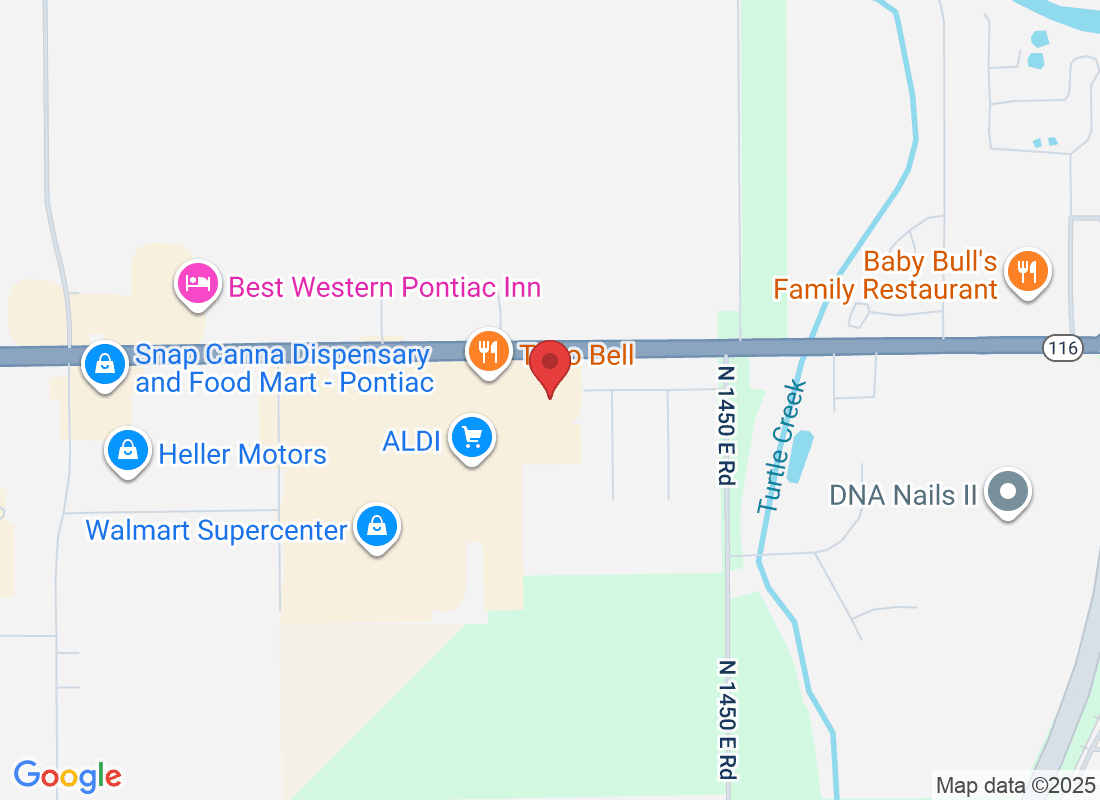
At Premier Podiatry, located in Bloomington and Pontiac, Illinois, we often see patients struggling with slow-healing foot wounds. These wounds can stem from various conditions, such as diabetes, venous insufficiency, or peripheral arterial disease. Understanding the underlying causes and applying specific strategies can significantly expedite the healing process.
What Causes Slow-Healing Foot Wounds?
Slow-healing foot wounds can be attributed to several factors:
- Diabetes: High blood sugar levels can impair blood circulation and damage nerves, making it difficult for wounds to heal.
- Poor Circulation: Conditions like peripheral artery disease can reduce blood flow to the extremities, slowing down the natural healing process.
- Infection: Bacterial infections can complicate the healing of wounds, leading to prolonged recovery times.
- Moisture Levels: Chronic moisture from sweat or footwear can promote bacterial growth and delay healing.
- Foot Structure: Conditions such as bunions, hammertoes, or flat feet can create areas of pressure, leading to ulcers.
How Can I Treat My Slow-Healing Foot Wounds?
Treating slow-healing foot wounds involves a combination of medical intervention and at-home care. Here are some effective strategies:
1. Maintain Good Blood Sugar Levels
If you have diabetes, it's vital to manage your blood sugar levels through diet, exercise, and medication as prescribed by your physician. Stable blood sugar can significantly enhance wound healing.
2. Regularly Clean the Wound
Gently clean the wound with mild soap and water. Avoid using hydrogen peroxide or alcohol, as they can damage healthy tissue. After cleaning, apply an appropriate wound dressing.
3. Use Moisture-Retentive Dressings
Moist wound healing is beneficial for faster recovery. Consider using hydrocolloid or alginate dressings that maintain a moist environment, promoting cellular regeneration.
4. Protect the Wound from Infection
Keep the wound covered to prevent dirt and bacteria from entering. If you notice increased redness, swelling, or discharge, consult our team at Premier Podiatry.
5. Optimize Nutrition
Incorporate a balanced diet rich in vitamins and minerals. Key nutrients that aid healing include:
- Protein: Essential for tissue repair.
- Vitamin C: Supports collagen formation.
- Zinc: Assists in cell division and the immune response.
6. Consider Offloading Pressure
If your foot wound is located in a high-pressure area, using special footwear or orthotics may help redistribute weight and promote healing.
7. Follow-Up Appointments
Regular follow-ups with a podiatrist are critical. At Premier Podiatry, our team can monitor your healing progress and adjust treatment as necessary.
How Long Does It Typically Take for Foot Wounds to Heal?
The healing time can vary widely based on the wound type and underlying health conditions. Generally, minor wounds may heal in a few days, while chronic wounds may take weeks or even months to heal. Consistent care and management can greatly influence recovery time.
FAQs
1. What can I do at home to promote healing?
Keep the wound clean, apply appropriate dressings, manage underlying conditions, and ensure you have a healthy diet.
2. When should I see a doctor for my foot wound?
Consult a podiatrist if the wound does not improve within a few days, shows signs of infection, or if you have underlying health conditions affecting healing.
3. Are there specific treatments for diabetic foot wounds?
Yes, diabetic foot wounds may require specialized care, including advanced dressings, offloading, and potential surgical interventions to remove infected tissue.
4. What types of dressings are best for foot wounds?
Moisture-retentive dressings like hydrocolloid or alginate dressings are often best as they support a moist environment conducive to healing.
5. How often should I change my wound dressing?
Change the dressing daily, or sooner if it becomes wet or soiled. Regular changes help prevent infection and promote healing.
Conclusion
Proper management of slow-healing foot wounds is essential for recovery. Whether it's maintaining optimal blood sugar levels, protecting the wound, or seeking professional care, your efforts can lead to faster healing times. If you are experiencing slow-healing foot wounds, don’t hesitate to reach out to us at Premier Podiatry in Bloomington and Pontiac, Illinois. Our dedicated team is here to provide expert care tailored to your needs. Book your appointment today!