
Why Some Foot Wounds Don’t Heal—and What Helps
Understanding Foot Wounds and Their Healing Process
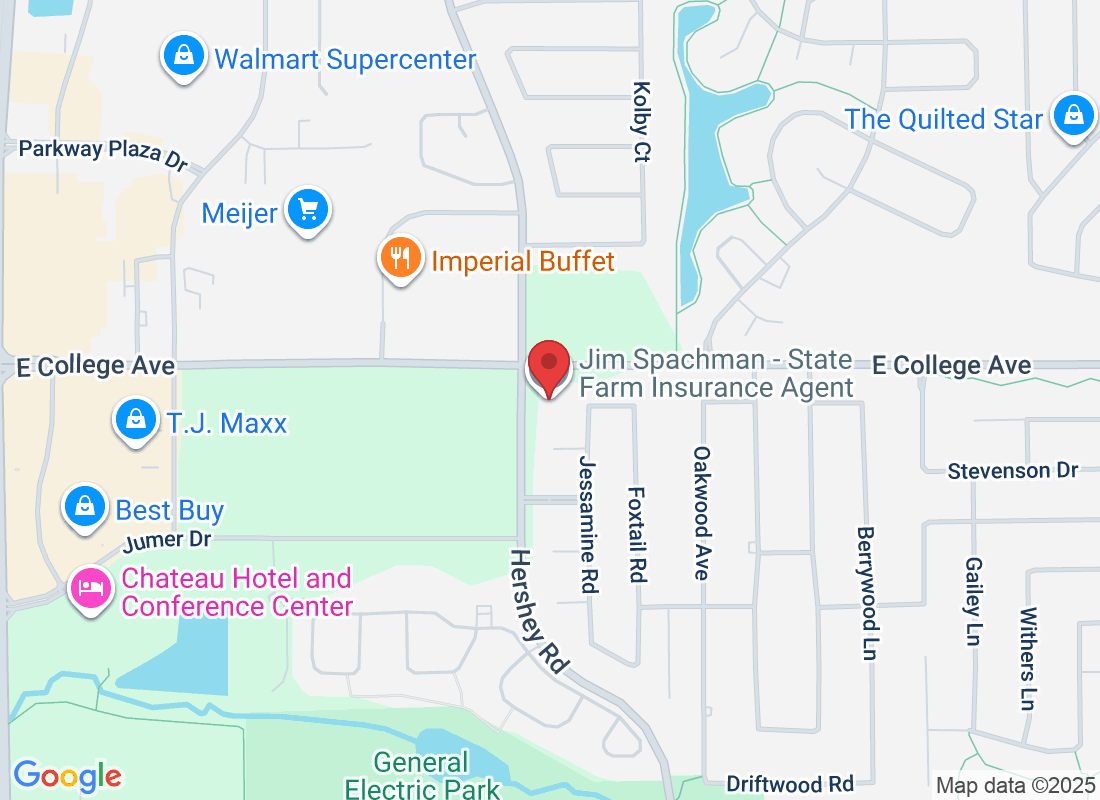
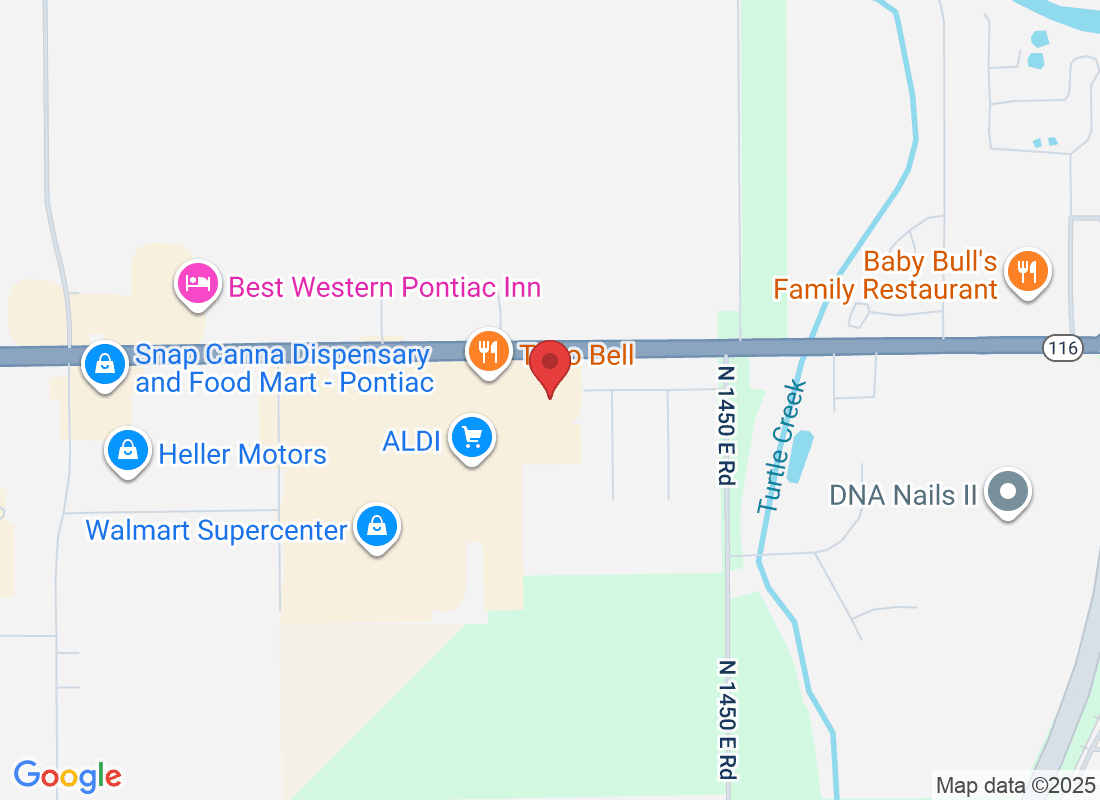
At Premier Podiatry, located in Bloomington and Pontiac, Illinois, we frequently encounter patients struggling with non-healing foot wounds. Understanding why some foot wounds don’t heal and knowing how to facilitate healing is essential for effective treatment. In this article, we will explore the causes, contributing factors, and treatment options for chronic foot wounds.
What Causes Foot Wounds Not to Heal?
Foot wounds may fail to heal due to a variety of factors. Here are some of the most common causes:
- Diabetes: Diabetic foot ulcers are one of the most frequent causes of chronic wounds, primarily due to neuropathy and poor circulation.
- Poor Circulation: Conditions like peripheral artery disease (PAD) can reduce blood flow to the extremities, impeding wound healing.
- Infection: Bacterial infections can stall healing; they may cause inflammation and further tissue damage.
- Pressure and Friction: Continuous pressure from ill-fitting shoes or foot deformities like bunions can create and worsen wounds.
- Underlying Health Conditions: Conditions like autoimmune disorders, obesity, and certain cancers can impact the body’s ability to heal.
How Does Diabetes Affect Wound Healing?
Diabetes significantly influences wound healing due to two primary complications: diabetic neuropathy and peripheral vascular disease. Neuropathy can lead to a loss of sensation, resulting in unnoticed injuries. Additionally, peripheral vascular disease restricts blood flow, limiting the body’s ability to deliver nutrients and immune response to the affected area. Consequently, even minor injuries can develop into serious chronic ulcers if not managed properly.
Are There Other Factors Hindering Healing?
Yes, several additional factors can contribute to impaired healing of foot wounds:
- Smoking: Tobacco use constricts blood vessels, hindering nutrient delivery and oxygenation of tissues.
- Hydration and Nutrition: A well-balanced diet rich in vitamins and minerals is crucial for the healing process, particularly proteins, zinc, and vitamins A and C.
- Age: As individuals age, their skin and tissue regenerate more slowly, leading to delayed healing.
- Medications: Certain medications, like corticosteroids and chemotherapy drugs, may impair immune function and delay wound healing.
How Can I Treat Non-Healing Foot Wounds?
Treating chronic foot wounds requires a multifaceted approach, often involving the collaboration of healthcare professionals, including podiatrists at Premier Podiatry. Here are some treatment strategies:
- Debridement: Removing dead or infected tissue can promote healing and lessen infection risks.
- Proper Footwear: Wearing well-fitted shoes can minimize pressure on ulcers and prevent new wounds from forming.
- Wound Dressings: Utilizing advanced wound care dressings like hydrogel or alginate dressings can create an optimal healing environment.
- Antibiotics: Should an infection be present, appropriate antibiotic therapy is critical for healing.
- Nutrition Management: A balanced diet or dietary supplements may support the healing process significantly.
- Hyperbaric Oxygen Therapy: This involves breathing pure oxygen in a pressurized environment to enhance healing in chronic non-healing wounds.
When Should I See a Podiatrist?
It is crucial to consult a podiatrist if you notice any persistent, non-healing wound on your foot. Early intervention can help prevent complications, including severe infections or amputation. At Premier Podiatry, we provide comprehensive evaluations to identify the underlying causes of your wound and develop a targeted treatment plan.
FAQ: Common Questions About Foot Wound Healing
1. What is the most common type of non-healing foot wound?
Diabetic ulcers are the most common type of non-healing foot wound, primarily occurring in diabetic patients due to nerve damage and poor circulation.
2. Can non-healing foot wounds lead to serious complications?
Yes, if left untreated, non-healing foot wounds can lead to infections, gangrene, and in severe cases, amputation.
3. Are there home remedies for minor foot wounds?
While minor wounds can be treated at home with clean dressings and antiseptics, any persistent or worsening condition should be evaluated by a healthcare professional.
4. How long does it take for a foot wound to heal?
Healing time can vary greatly, ranging from weeks to months, depending on the wound's severity and underlying health issues.
5. What preventative measures can I take to avoid foot wounds?
Regular foot care, proper hygiene, wearing appropriate footwear, managing chronic conditions such as diabetes, and avoiding tobacco can help prevent foot wounds.
Conclusion
The complexity of foot wound healing requires a comprehensive understanding of the underlying factors and effective treatment options. If you’re struggling with a non-healing wound, don’t hesitate to seek assistance from professionals at Premier Podiatry in Bloomington and Pontiac, Illinois. Our dedicated team is here to guide you toward optimal foot health.
Book your appointment today to explore the best treatment options for your foot care needs.