
Wound-Care Support for Patients in Bloomington, Illinois
Understanding Wound Care for Patients in Bloomington, Illinois
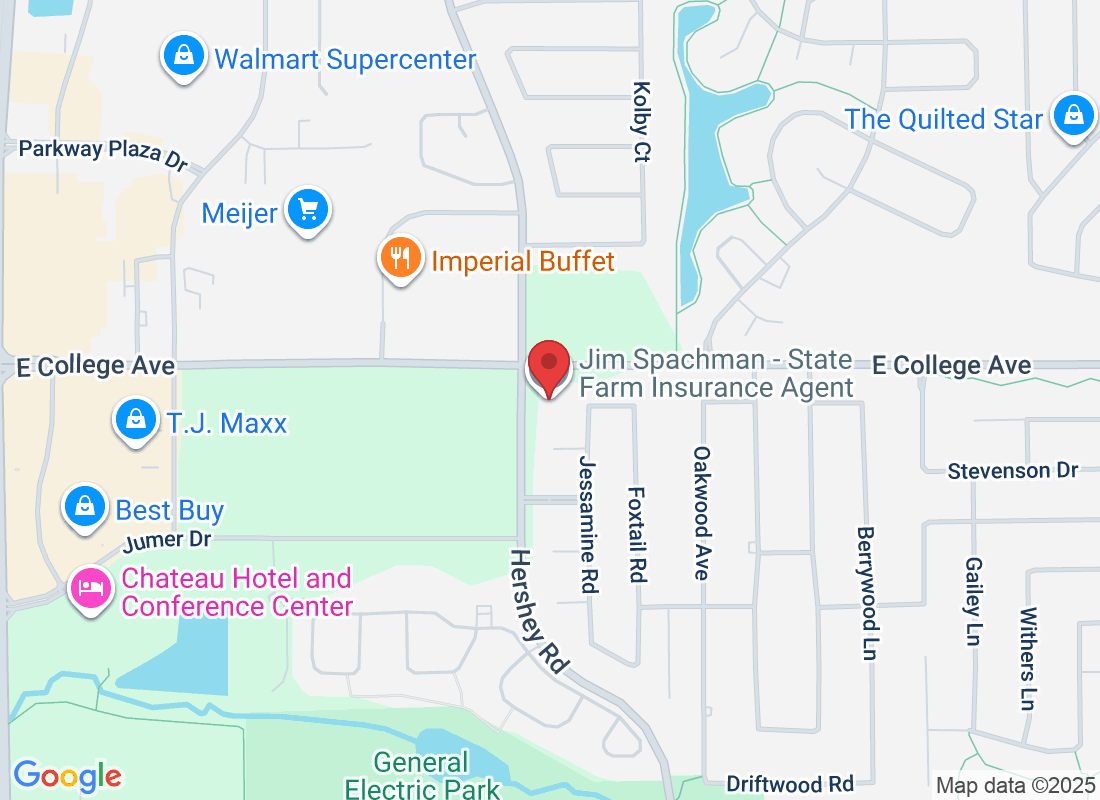
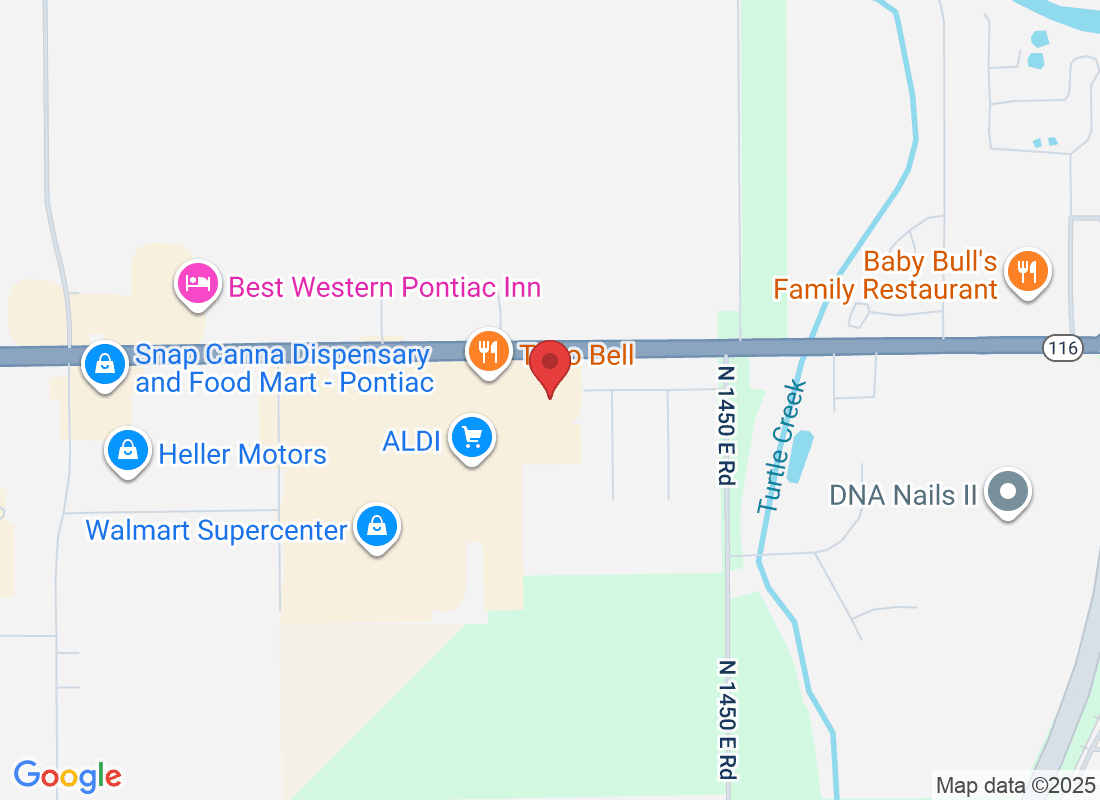
At Premier Podiatry, we understand that proper wound care is essential for maintaining foot health and preventing serious complications. This is particularly important for residents of Bloomington and Pontiac, Illinois, where various conditions can lead to wounds on the feet. Our team is dedicated to providing comprehensive wound-care support to ensure you receive the best treatment possible.
What Causes Foot Wounds?
Foot wounds can result from various factors, including:
- Diabetes: High blood sugar levels can lead to diabetic neuropathy, reducing sensation in the feet and increasing the risk of unnoticed injuries.
- Peripheral Vascular Disease: Poor circulation can slow healing, making wounds more susceptible to infection.
- Pressure Ulcers: Prolonged pressure on particular areas of the foot, especially in individuals with limited mobility, can cause open sores.
- Infections: Fungal, bacterial, or viral infections can compromise the skin's integrity, leading to wounds.
- Trauma: Cuts, scrapes, and punctures from accidents can also result in open wounds.
How Are Foot Wounds Diagnosed?
At Premier Podiatry, our podiatrists follow a systematic approach to diagnose foot wounds:
- Patient History: We begin with a thorough discussion regarding your medical history, including any underlying conditions such as diabetes or vascular issues.
- Physical Examination: A detailed examination of the foot, assessing the size, depth, and condition of the wound.
- Diagnostic Tests: Further testing, such as blood flow studies or cultures, may be required for accurate diagnosis and treatment planning.
How Can I Treat Foot Wounds at Home?
While professional care is crucial, here are some practical steps you can take to manage foot wounds at home:
- Keep the Wound Clean: Gently wash the area with mild soap and water to prevent infection.
- Apply Appropriate Dressings: Use sterile dressings to cover the wound and change them regularly.
- Monitor for Signs of Infection: Watch for increased redness, swelling, or discharge, which may indicate infection.
- Control Blood Sugar Levels: For diabetics, maintaining optimal blood sugar can significantly impact the healing process.
- Rest and Elevate: Reducing pressure on the affected foot can support faster healing.
When Should I Seek Professional Help?
It’s vital to consult a podiatrist for the following situations:
- If the wound shows no signs of improvement within a few days.
- Experiencing increasing pain or discomfort in the area.
- If you notice signs of infection, such as fever or drainage from the wound.
- For individuals with diabetes, any new wounds should be evaluated promptly.
What Treatments Do Podiatrists Offer for Foot Wounds?
At Premier Podiatry, we provide a range of advanced wound-care treatments, including:
- Debridement: The removal of dead or infected tissue to promote healing.
- Topical Treatments: Application of antimicrobial ointments or growth factors to enhance healing.
- Pressure Offloading: Use of specialized footwear or orthotics to alleviate pressure on the wound.
- Advanced Therapies: Options such as hyperbaric oxygen therapy may be recommended for severe or chronic wounds.
Frequently Asked Questions (FAQ)
1. How long does it take for a foot wound to heal?
The healing time for foot wounds varies based on several factors, including the wound’s severity, underlying health conditions, and treatment methods. Minor wounds may heal within a week, while deeper wounds may take several weeks or more.
2. What should I do if my wound has a bad odor?
A foul odor may indicate an infection. It's crucial to seek professional evaluation immediately if you notice this symptom.
3. Can I walk on a wound on my foot?
It’s advisable to avoid putting pressure on the affected foot until a podiatrist evaluates the wound and provides specific guidance.
4. Are there preventative measures to avoid foot wounds?
Yes, maintaining proper foot hygiene, using appropriate footwear, managing chronic conditions like diabetes, and conducting regular foot inspections can help prevent wounds.
5. Does insurance cover wound care treatment?
Most insurance plans cover wound care treatments, but it’s best to consult your insurance provider or our office for specific information regarding your policy.
Conclusion
Effective wound care is vital for maintaining foot health and preventing complications. At Premier Podiatry, our experienced team is here to support patients in Bloomington and Pontiac, Illinois, with comprehensive wound-care solutions tailored to your individual needs. Don’t hesitate to reach out if you have further questions or if you need assistance with a foot wound.
Book an appointment today to ensure your foot health is prioritized.